How Much Does Tree Removal Cost in Massachusetts? (2026 Guide)
Tree removal in Massachusetts runs $450–$3,500+ per tree, with most jobs falling between $750 and $1,800. Here's what drives the range, when to bundle, and how to get a fair quote.

Quick Answer
Quick Answer
Tree removal in Massachusetts typically costs $450 to $3,500 or more per tree, with most residential jobs falling between $750 and $1,800. Price is driven by tree height, trunk diameter, proximity to structures or utility lines, accessibility for equipment, and whether stump grinding is bundled on the same visit. Always request a written fixed quote.
- Typical Range
- $450 – $3,500+
- Most Common
- $750 – $1,800
- Bundle Savings
- 20 – 30%
- Emergency Premium
- +20 – 40%
The honest price range for tree removal in Massachusetts
Tree removal pricing in Massachusetts varies significantly — the same tree can cost three different prices depending on where it stands and what surrounds it. That said, the honest ballpark for residential work across Worcester County, Middlesex County, and Greater Boston is $450 to $3,500 per tree, with most jobs landing between $750 and $1,800.
A $450 job is a small ornamental tree — under 25 feet, clear access, no structures nearby, simple chip-and-haul. At the other end, a $3,500+ job is typically a mature oak or white pine over 65 feet, leaning toward a house or near utility lines, requiring technical rigging and a full day of crew time.
The gap between the two is almost always about three things: size, access, and hazard. Size drives cutting time and debris volume. Access drives equipment mobilization. Hazard drives the complexity of the rigging plan and whether utility coordination is needed.
The seven factors that actually move your quote
Every tree-removal quote in Massachusetts is built from the same seven cost drivers. Understanding them before the estimator arrives lets you evaluate the quote intelligently.
First, tree height. Trees over 45 feet require a climber or bucket truck, and every foot above that adds rigging complexity. Second, trunk diameter. A 36-inch oak takes three times the cutting time of a 12-inch maple, even at the same height.
Third, proximity to structures. A tree standing free in a field is a chainsaw job. A tree overhanging a roof is a precision rigging job — each limb roped down individually. Fourth, utility lines. If the tree touches or is near power, cable, or telephone lines, a utility drop has to happen first. That's usually coordinated through Eversource or National Grid and is free, but it adds a day to the timeline.
Fifth, accessibility. Can a chipper truck and loader get within 100 feet? If yes, cleanup is fast. If no, every log and branch is hand-carried. Sixth, debris volume. Multi-trunk trees or vine-tangled trees generate two to three times the waste stream. Seventh, emergency status. After-hours and storm-aftermath work carries a 20–40% premium because crews are being pulled off scheduled jobs.
When bundling saves you real money
A significant portion of any tree-service quote is fixed mobilization cost — getting the crew, truck, chipper, and loader to your property and back. That cost is paid whether we remove one tree or ten. So if you have multiple trees that need work, bundling them saves you 20–30% per tree compared to separate visits.
The biggest bundle is removal + stump grinding on the same visit. Stump grinding as a standalone job runs $200–$600 because of the mobilization fee. Added to a removal, it's $125–$450. That's often a $100+ savings per stump, and the stump is done while the loader is already on-site.
Similarly, if you have 3+ trees that need removal or pruning, asking for them on one visit will typically cut 25% off the per-tree cost vs. separate visits.
Does homeowner's insurance cover tree removal in Massachusetts?
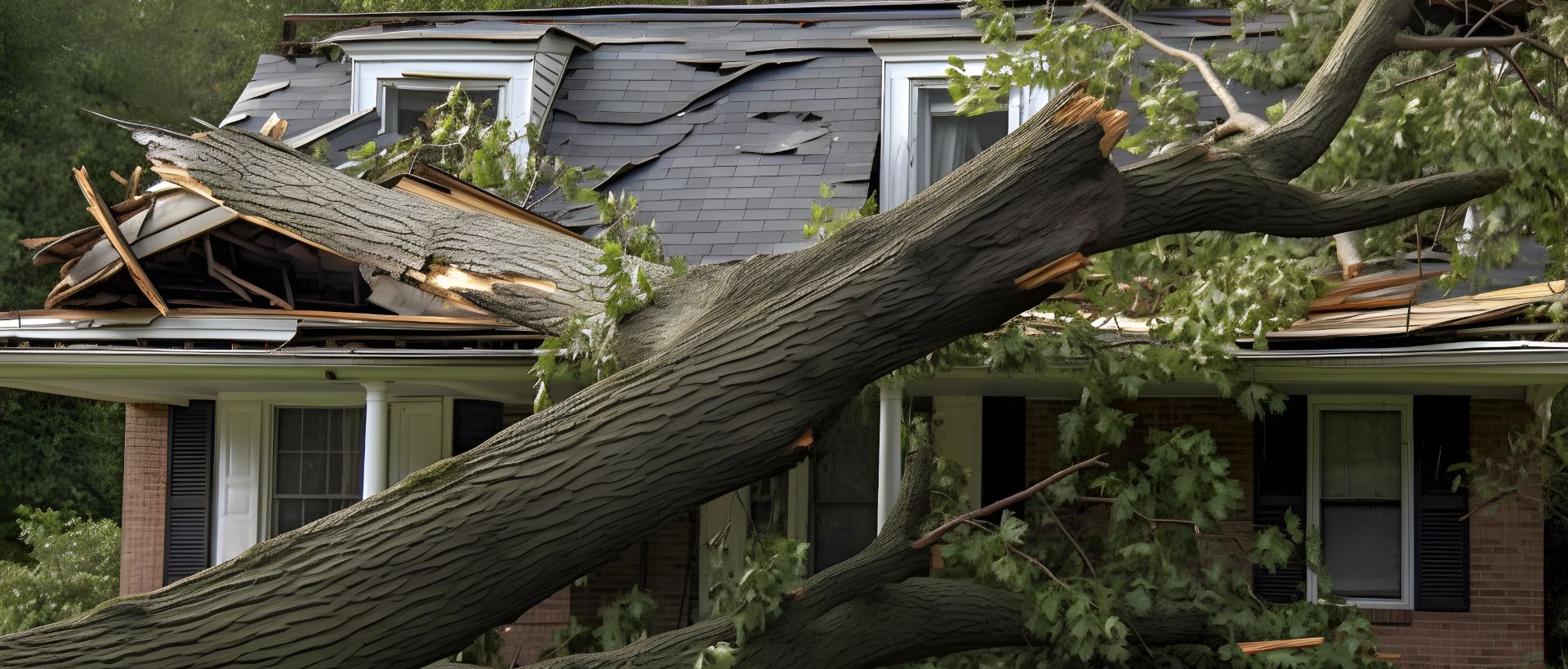
Usually yes — but only in specific circumstances. If a tree has fallen on a structure (house, garage, shed) or blocks essential access to your property (driveway, front entrance), most Massachusetts homeowner's policies cover removal under the standard dwelling coverage. Limits vary ($500 – $5,000 is common).
What typically isn't covered: removal of a living or dead tree that hasn't yet fallen, no matter how hazardous it looks. Insurance is a response mechanism, not a prevention mechanism. That's where proactive removal at your own cost becomes important — a $1,500 preventive removal is cheaper than a $10,000 roof repair.
When insurance does apply, document everything: before photos, written scope of work, itemized estimate. Professional tree services like Pro Evolution document emergency jobs specifically for insurance claims and can speak directly to your adjuster on request.
How to get a fair tree-removal quote
Three rules for getting a fair quote in Massachusetts. One: always get a written quote, not a verbal estimate. Verbal estimates are how surprise charges happen. Two: verify insurance before signing. Ask for a Certificate of Insurance; a legitimate company will have it in your inbox within an hour. Three: compare two or three quotes on the same written scope.
When quotes come back widely different on the same scope, the low quote is almost always missing something — cleanup, insurance, or stump work. Ask what's excluded. An honest company will tell you directly.
Pro Evolution Tree Service delivers written, itemized fixed quotes after a free on-site assessment across Worcester County, Middlesex County, Norfolk County, and the Pioneer Valley. Every quote includes cleanup as standard. Insurance docs provided before work starts.
Keep Reading
Related Guides

Tree Health
When to Remove a Tree vs. Save It: 7 Signs You Shouldn't Ignore
Not every sick-looking tree needs to come down. Here are seven specific warning signs that push a tree from 'save it' to 'remove it' — and how to tell the difference.
Insurance
Does Homeowner's Insurance Cover Tree Removal in Massachusetts?
Homeowner's insurance covers tree removal when — and only when — a tree has actually fallen on a structure or blocks essential access. Here's exactly when it applies and how to document a claim.